HiPen — HIV/AIDS Case Management App Designing for a population that's stigmatized, under-resourced, and living in places most designers never go.

Design Roles

Lead UX UI Designer

NgeOo Mon

UI Designer

Zin Zin Myo

Tools Used

The Brief That Required Real Empathy

Premier Urgence brought me in to design HiPen — a mobile app to help HIV/AIDS patients and caseworkers across Myanmar connect, manage care, and access resources. On paper it sounds like a health app problem. In reality it was a trust problem, a literacy problem, an infrastructure problem, and a stigma problem — all at once.

Around 240,000 people were living with HIV in Myanmar as of 2018. The treatment existed. The caseworkers existed. The support groups existed. What didn’t exist was a reliable way for any of them to find each other, stay coordinated, or access accurate information — especially outside of Yangon.

Designing With, Not For

I went to the field. One-on-one interviews, contextual inquiry, and quantitative research across 15 key players in the ecosystem — patients on ART, rural and urban caseworkers, support group leaders, program managers, a country director.

Two personas emerged that shaped every design decision:

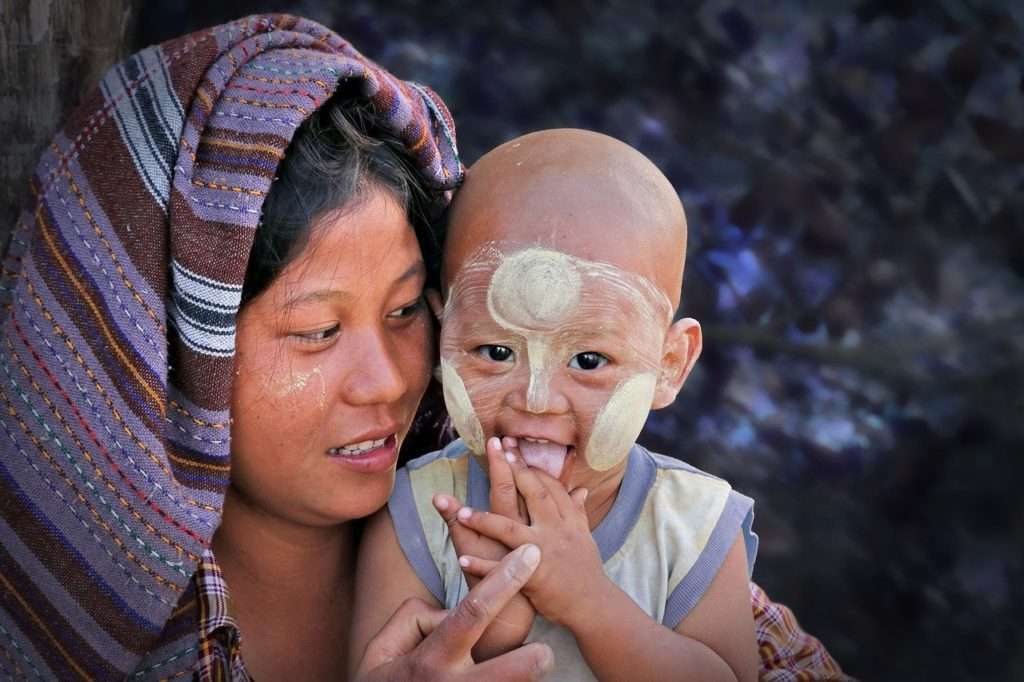
Ms. Spotlight — a field representative who is HIV-positive herself. She runs a women’s support group called Lady Queen and shares business opportunities and life advice with members. Her biggest frustration: misinformation spreading unchecked through Facebook, and no reliable way to keep everyone’s details up to date.

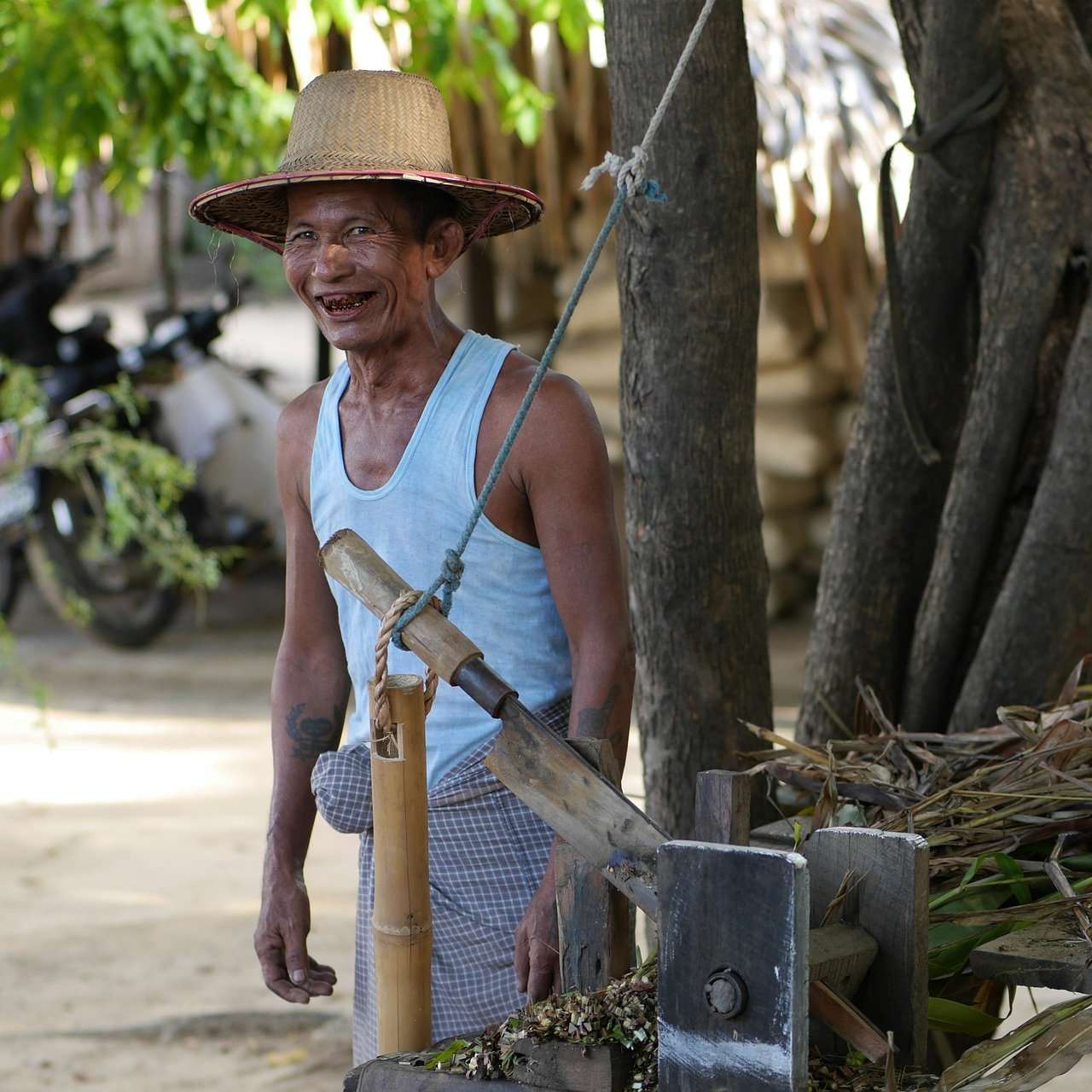
Mr. Guidance — a caseworker managing patients spread across multiple towns. Roads between communities can eat an entire day of travel. His contact list was perpetually outdated. Coordinating patient visits and workshop attendance was largely guesswork.

These weren’t edge cases. They were the core users. Designing for them meant designing for the hardest version of the problem.

"Around 240,000 people were living with HIV-AIDS in Myanmar as of 2018. Approximately 70% of the infected people were reported to be receiving antiretroviral treatment (ART) and most of them have achieved viral suppression. Hence, the prevalence of HIV in the general population has been reduced to under 0.6 percent. However, the rate of infection remains high in some groups, such as female sex workers (4.8%), people who inject drugs (13.8%) and men who have sex with men (2.9%). "

The Constraints That Defined the Design

Three things were non-negotiable from the research:

Low digital literacy. Most users had never used an app more complex than Facebook or Viber. Those two platforms became the onboarding strategy — meet people where they already are, use familiar patterns to reduce the learning curve.

Time-sensitive medicine. ART treatment only works if taken consistently, at the right time. A missed dose isn’t just an inconvenience — it has real medical consequences. The app had to make adherence effortless, not just possible.

Patient safety and data trust. This population carries significant stigma. Any design misstep around data visibility or identity exposure could cause real harm. Privacy wasn’t a feature — it was a foundation.

User Research

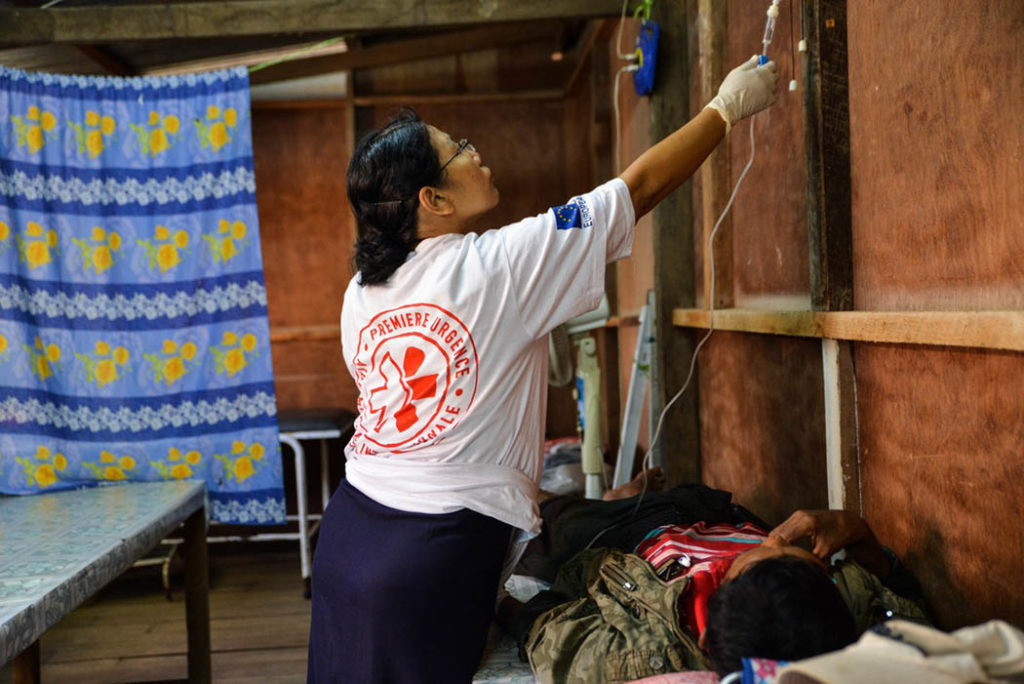
Here are some of the methods I used to lead the user research of this project. We strived to find opportunities in shortening the learning curve for the target users when using the mobile application and find out what are some of the road blocks the patients face to receive help while battling HIV/AIDS. It can include environmental, physiological, and personal factors. A total of 15 key players in the ecosystem were interviewed.

Methods used

Two Main Target Users of the application

User Persona #1-Representative

Ms. Spotlight

Field representative who is also dealing with HIV herself.

woman, vietnam, women-4510876.jpg

Motivation

Pain Points

asia, myanmar, burma-4848449.jpg

User Persona #2-counselors

Mr. Guidance

Caseworker/counselor who guides and share resources to patients.

man, myanmar, happy-504453.jpg

Motivation

Pain Points

bauer, myanmar, old-504351.jpg

What We Built

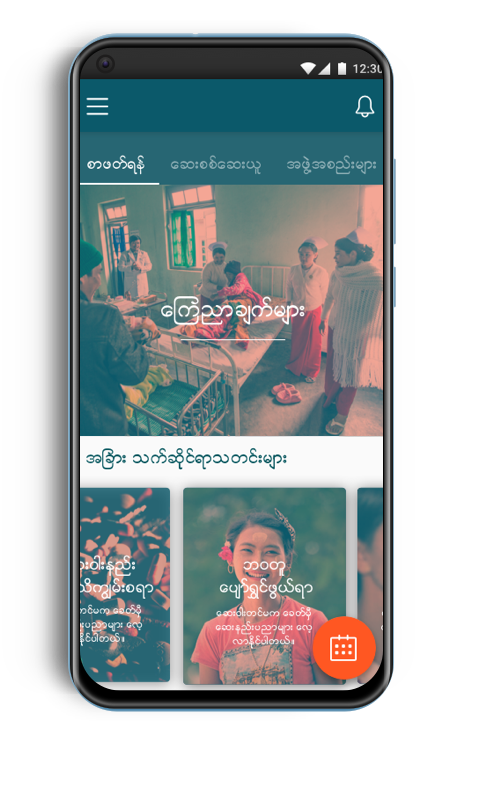
Four core capabilities, each mapped directly to a pain point uncovered in research:

Smart Alarm — Medication reminders built around ART schedules. Consistent, reliable, low-friction.

GPS Directory — Nearest hospitals and support groups surfaced by location. Solves the “I don’t know where to go” problem without requiring anyone to already know the system.

Quick Contact — A structured address book for caseworkers and patients. Replaces the outdated phone lists caseworkers were manually maintaining.

Awareness Hub — Vetted educational content to counter the misinformation spreading through informal Facebook groups. Accurate, accessible, stigma-reducing.

asia, myanmar, burma-4848449.jpg

Aye Aye Win

Men don’t have to deal with some of the issues women face in this community so that is why we have just a women group called Lady Queen

Hlaing Thar Yar Township, Yangon

What Made This One Hard

This was the most complex design challenge in my portfolio — not technically, but humanly.

Every decision had downstream consequences. An interface that felt clinical could alienate already-stigmatized users. An alarm that displayed the wrong label could out someone’s status to family members sharing a phone. An onboarding flow that assumed too much digital fluency could make an already-marginalized person feel incapable.

The architecture had to be simple enough for first-time smartphone users, trustworthy enough for people whose safety depended on privacy, and robust enough for caseworkers coordinating dozens of patients across difficult terrain.

Getting that balance right required treating this less like an app design and more like a public health intervention.

How Might We

With the major challenges posed upon the caseworkers due to information and infrastructure issues, we were able to draw out these HMW questions below.

Educate/Awareness

How might we help the patients have positive outlook in cohabitating while battling HIV-AIDS?

Technological Literacy

How might we utilize applications that the patients are familiar with, such as facebook and Viber, when trying to onboard them onto HiPen?

Medical Needs

How might we use HiPen to give medical attention that the patients may need in a timely matter?

The Outcome

HiPen shipped and is documented by Premier Urgence as part of their humanitarian program in Myanmar. It gave caseworkers a coordination tool that replaced days of travel with a few taps, and gave patients the structure and community they needed to manage a lifelong condition — on a secondhand touchscreen phone, topped up with a scratch card.

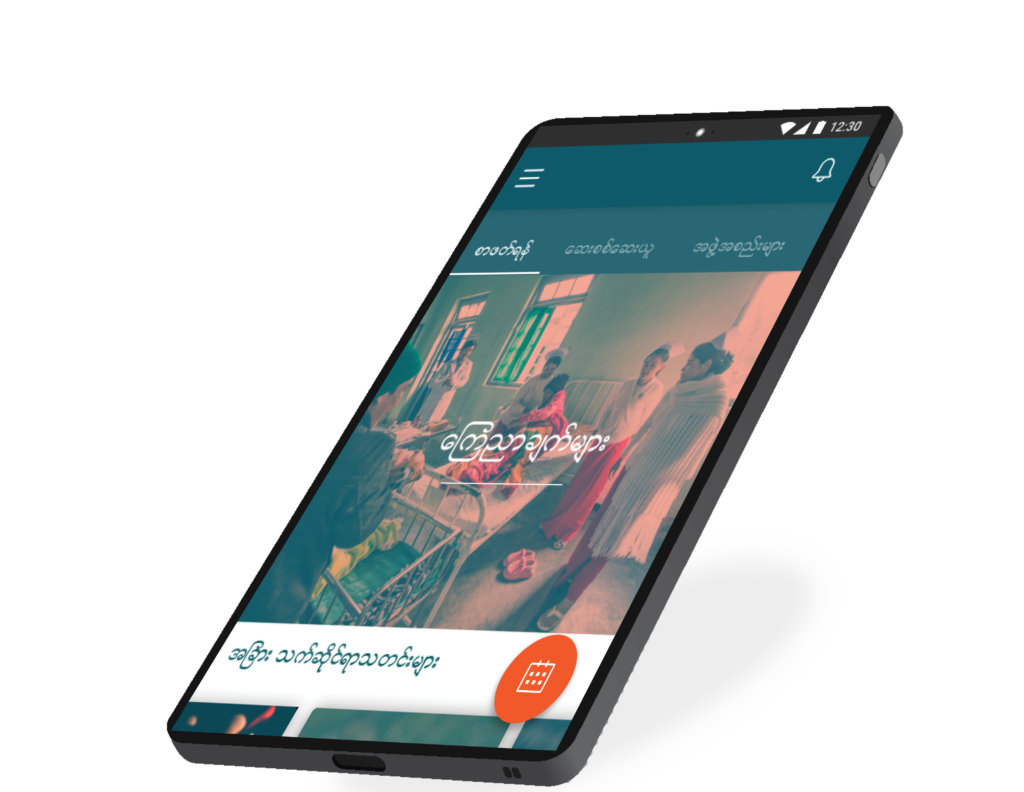
Smart alarm

Sets alarms and schedule to take medicine.

GPS

Show hospitals and support groups nearby.

Quick Contact

Acts as an address book for field officers and affected individuals.

Awareness

Provide educational articles.

Key Learnings

This project was the epitome of a design challenge. Not only there were architectural thresholds in designing this system, but also there were physical and psychological impacts we needed to consider in bringing this to the patients’ hands.

More Projects

Recycle Myanmar

Mobile Application: UX
Tools: Sketch, AI, Photoshop

Health App

Mobile Application: Product Design
Tools: Sketch, Miro, AI