Recycle Myanmar

Designing a circular economy from the ground up — for a country where recycling barely exists.

My Role

UX Designer

Team

Platform

Tools Used

The Real Problem

The client came in wanting a marketplace to trade recyclable materials. But after hitting the streets of Yangon and talking to collectors, households, and recycling centers, the brief fell apart — in the best way.

The actual problem wasn’t trading. It was that nothing was connected. Households didn’t segregate waste. Collectors had no efficient way to reach them. Recycling centers were drowning in manual processes. And the government wasn’t filling any of the gaps.

Only 13% of Yangon households segregated their waste — not because they didn’t care, but because the system gave them no reason to.

What We Found in the Field

Problem Statement

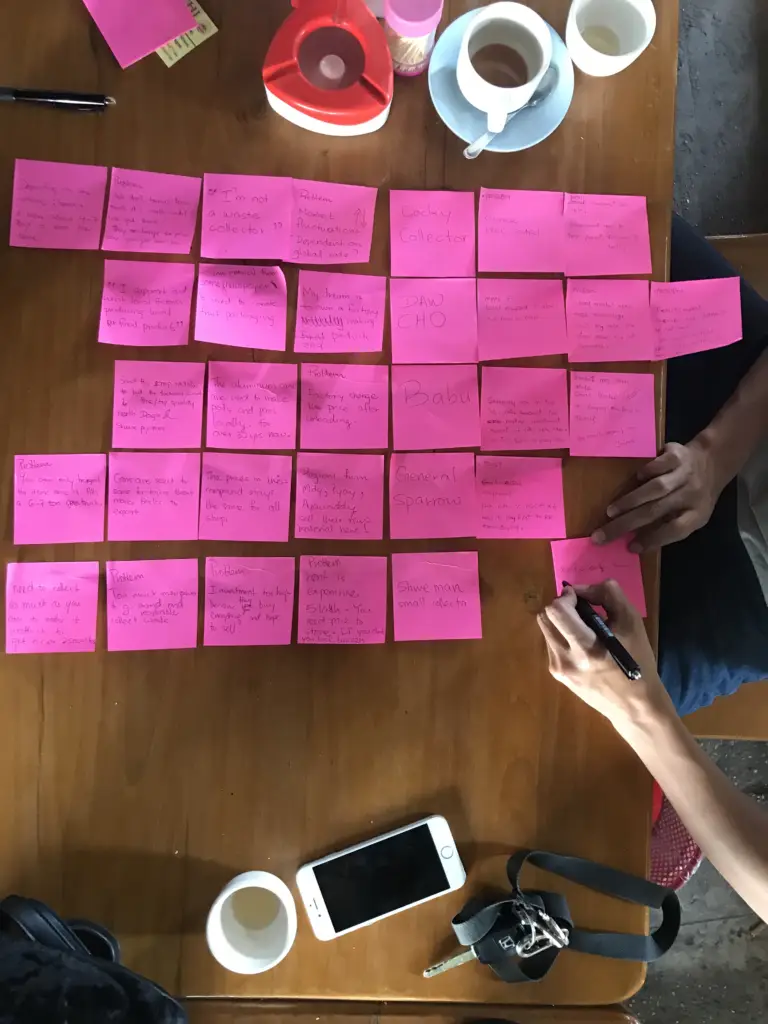
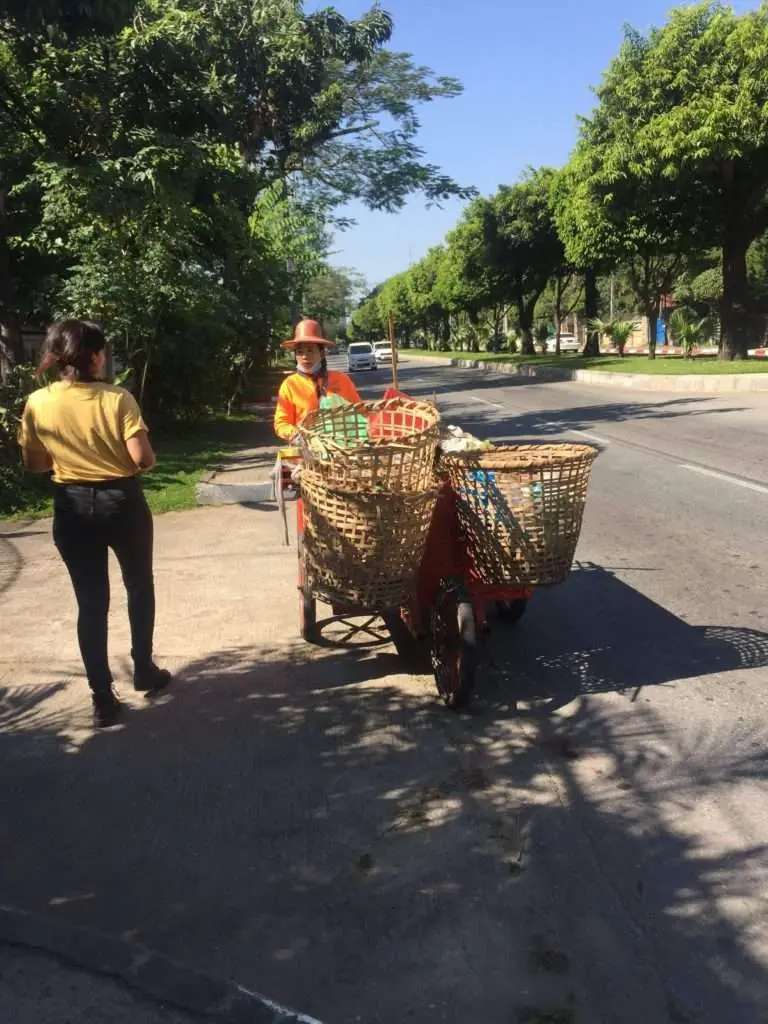
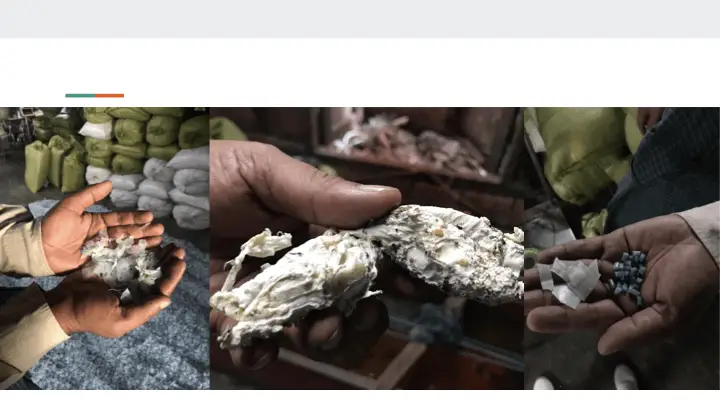
We spent the first days doing something most design teams skip — we went outside. Walked neighborhoods. Watched how collectors actually worked. Sat with recycling shop owners. Scheduled one-on-ones with households.

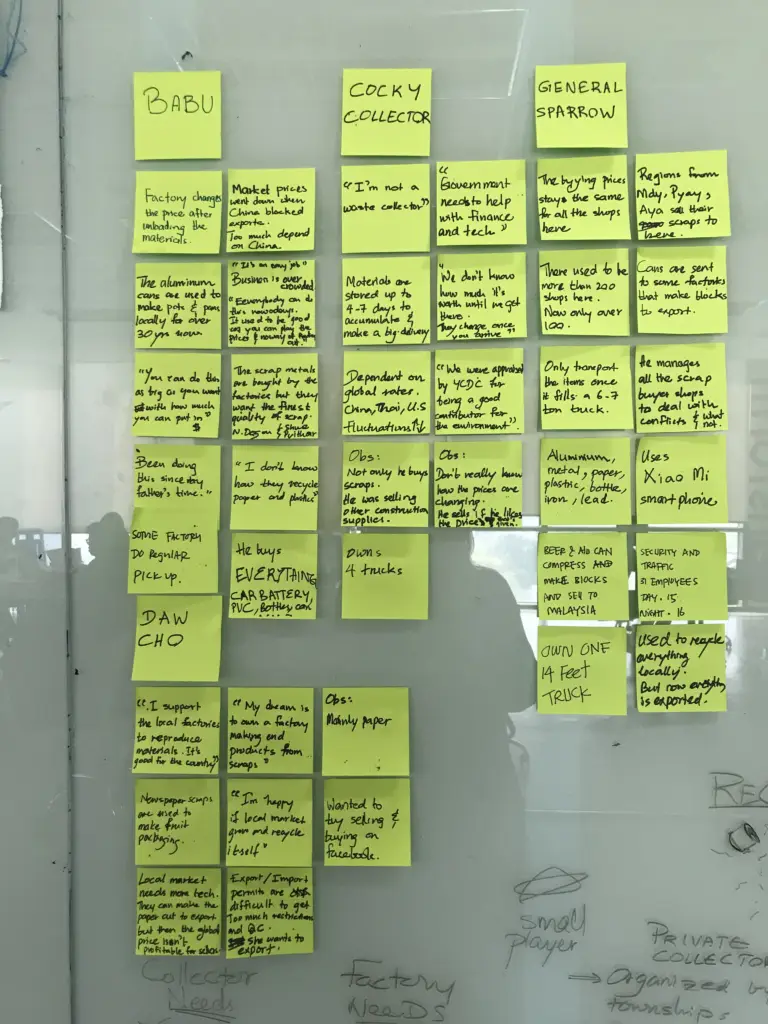
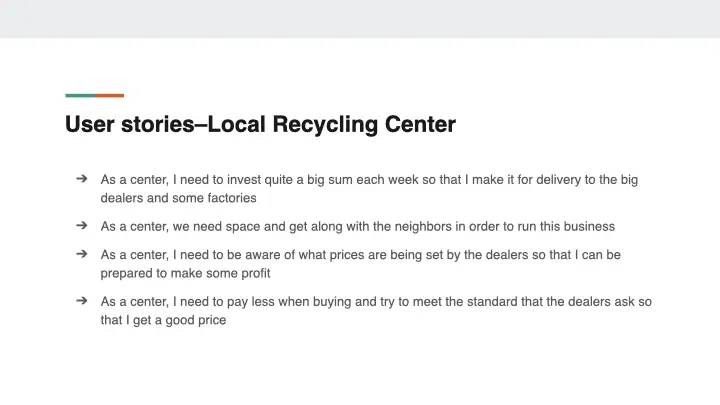
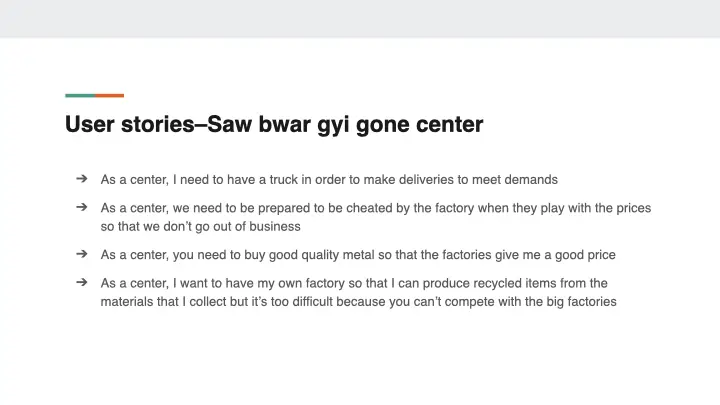
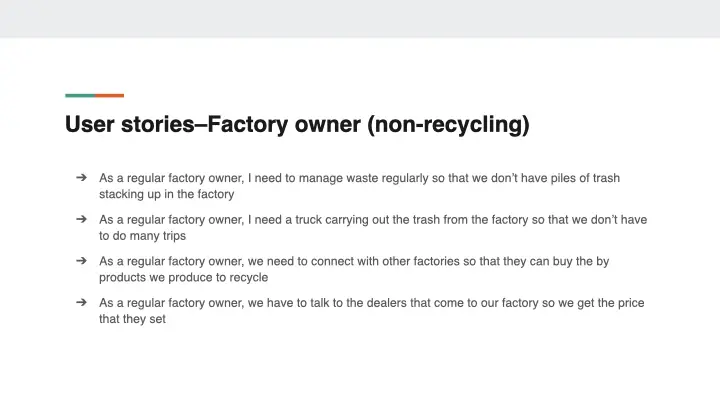
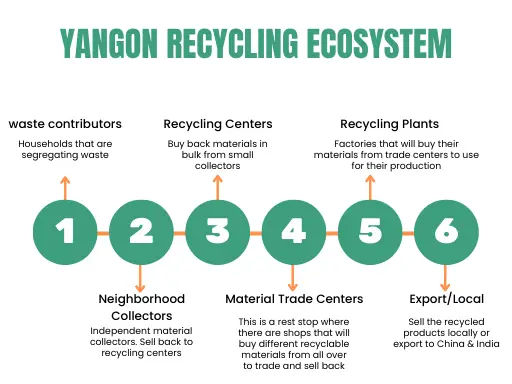
What emerged wasn’t a single user problem. It was an ecosystem problem. Six interdependent player types — households, collectors, local recycling centers, trade centers, processing factories, and city ordinance staff — all relying on each other with zero infrastructure connecting them.

The insight that reframed everything: you can’t fix one node. You have to design for the whole chain.

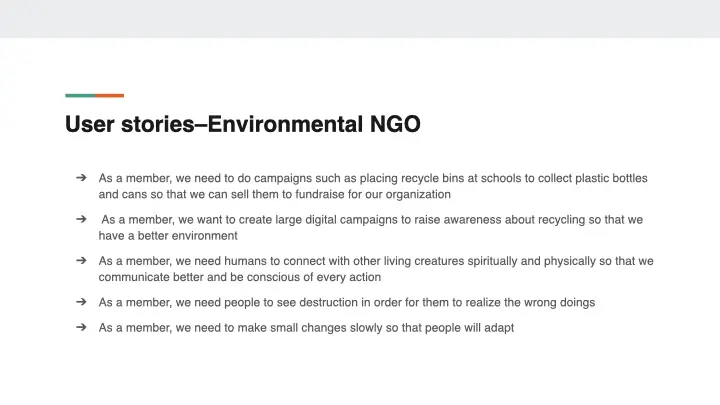
Recycling requires behavioral change within self and as a community. Social practices such as separating waste and considering the environment have been neglected in Myanmar which directly affect the recycling chain

Lacking in government’s adequate support and control for managing waste and recycling for the country. The municipal department can not provide efficient service to assist people in disposing their waste and doesn’t illustrate the harmful results of irresponsible waste management. Furthermore, lack of technology and infrastructure creates layers of processing in the recycling chain from collecting materials into producing recycled products.

User Research

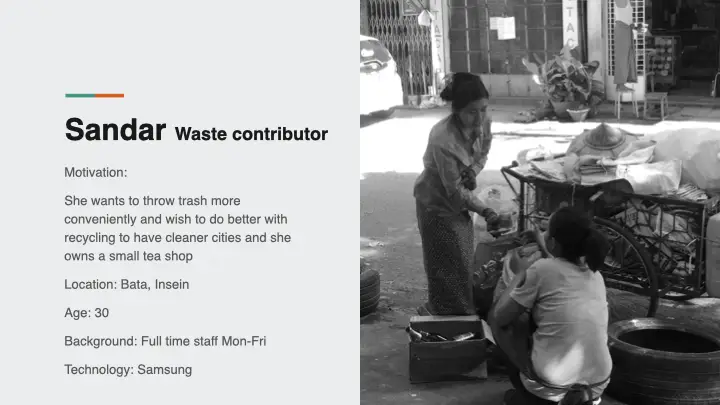
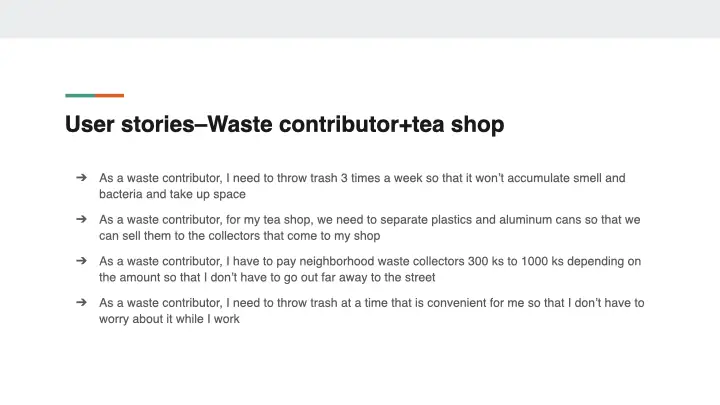
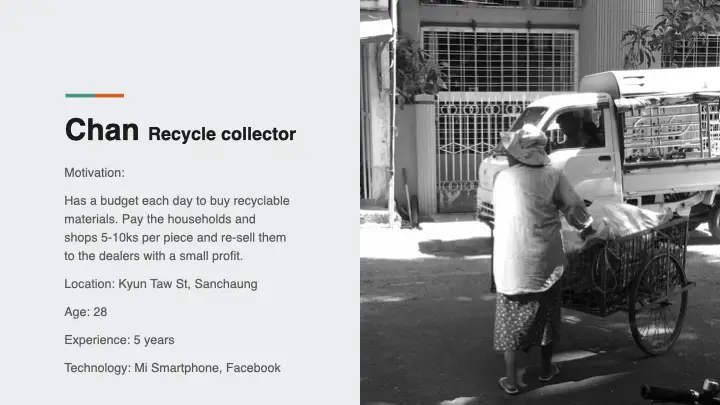
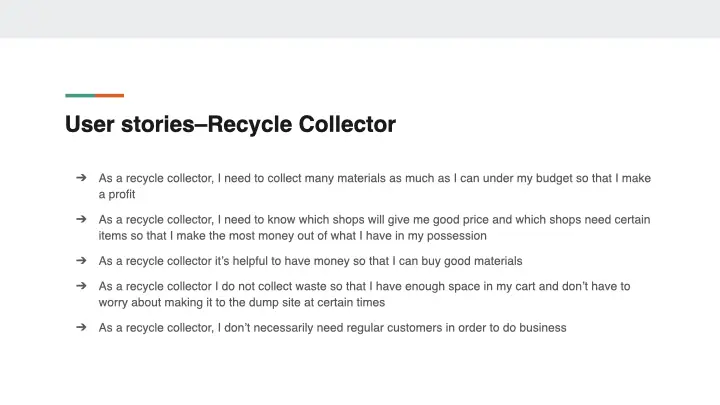
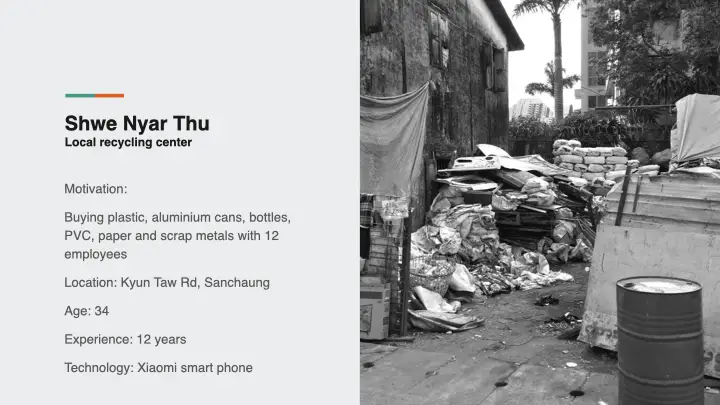
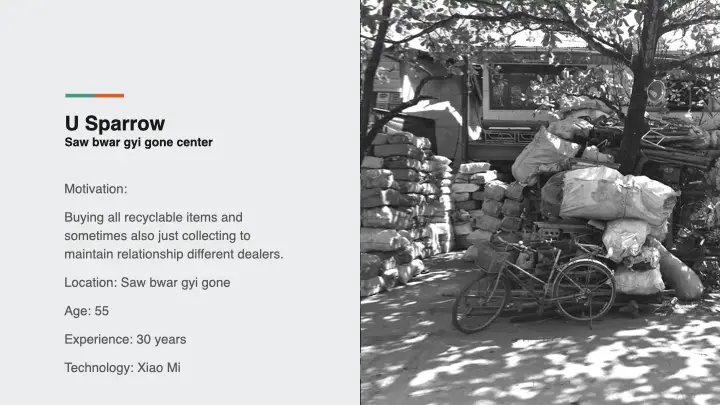
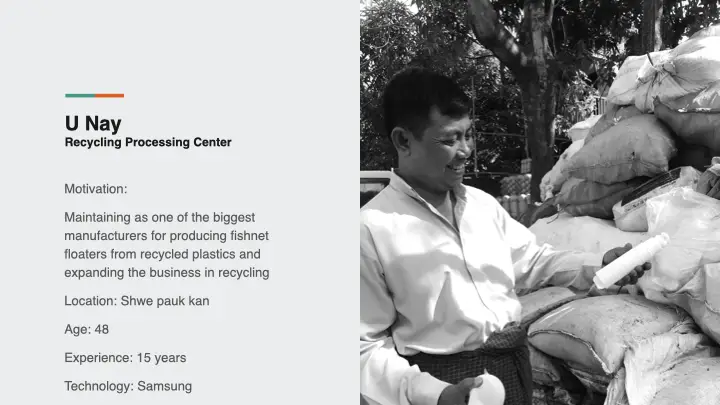
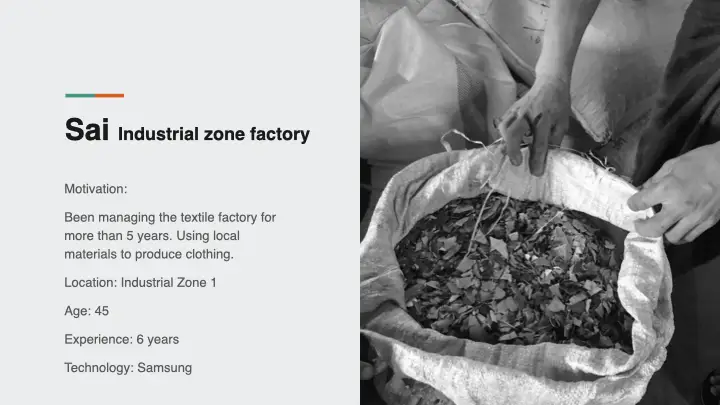
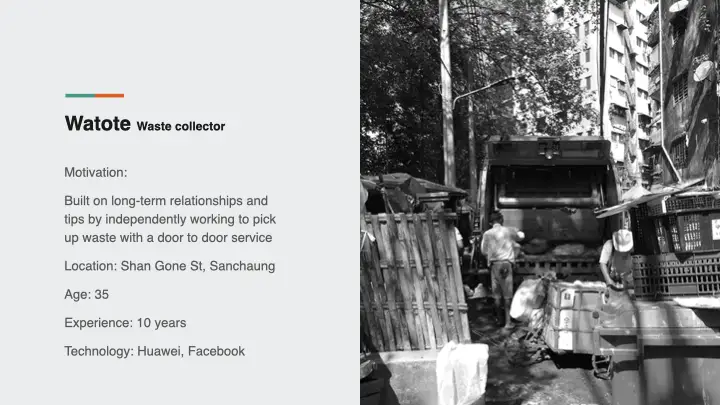
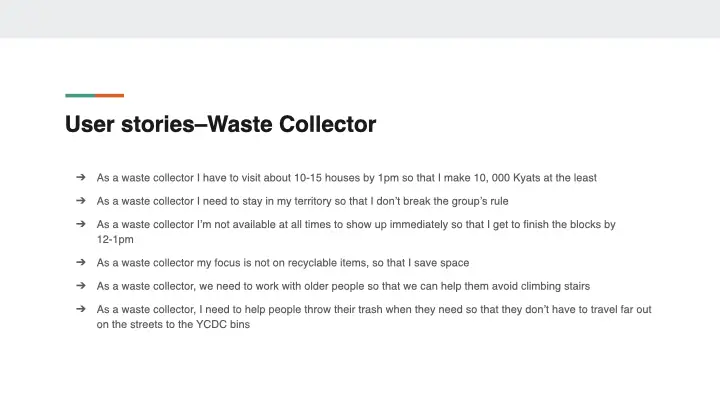
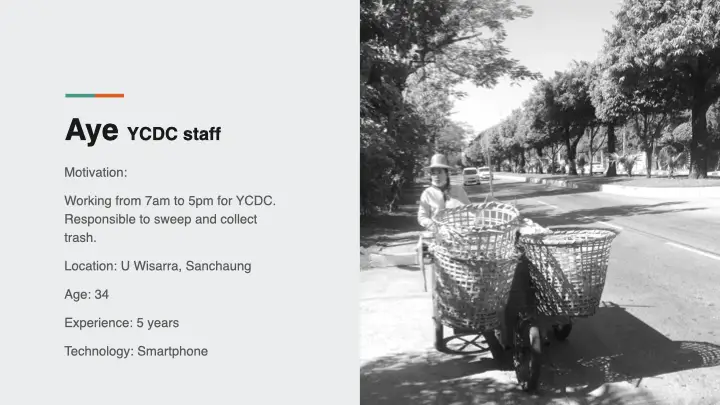
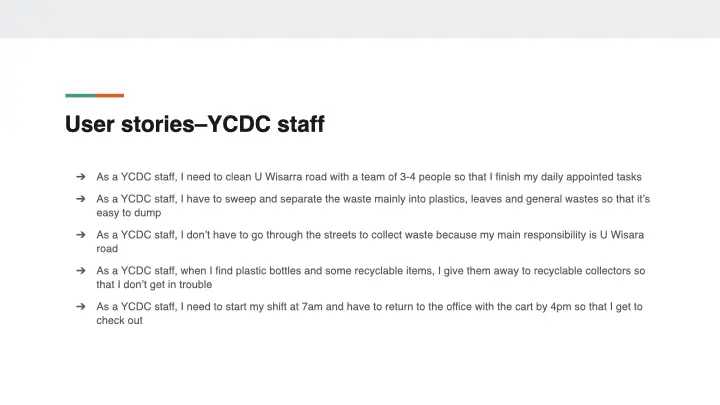
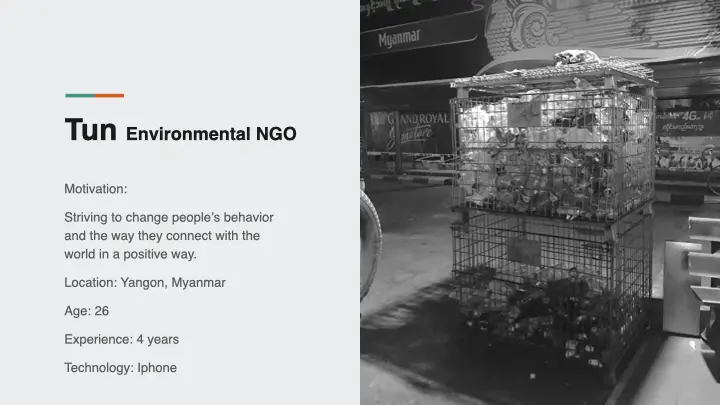
I led the UX design research and we head out to the neighborhoods on the first day to observe the existing system. And to study the touch-points of the current working flow. We talked to the recycling material collectors, shops, and some households to schedule a time to come back and interview them for one on one interviews. 

From a report commissioned by Coca-Cola (Data shown below), it shows the amount of recycling materials collected in the main city of Myanmar, Yangon. This is the result from only the 13% households segregating the waste.

The huge opportunity is to scale up and make everything more efficient. 


P.E.T bottles (Yangon)
1 %
Aluminum Cans
1 %
Segregating Waste
1 %

Players in Myanmar's Waste Circular System

The Pivot

We pushed back on the original brief.

A marketplace wouldn’t work if the materials weren’t even being collected efficiently in the first place. So we proposed two focused products instead of one:

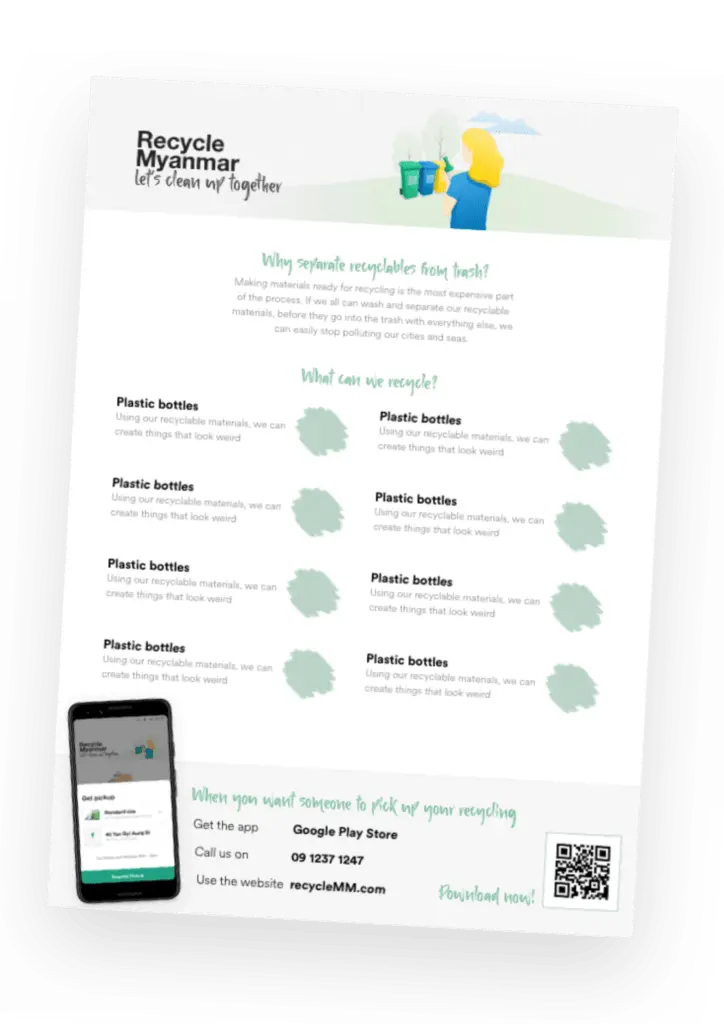
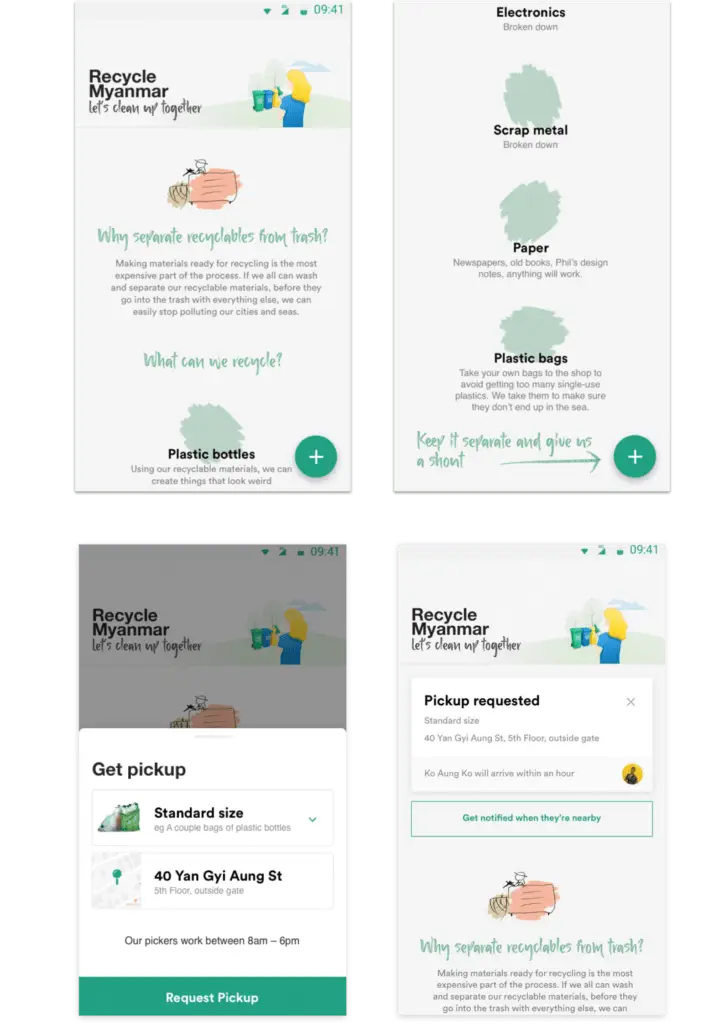
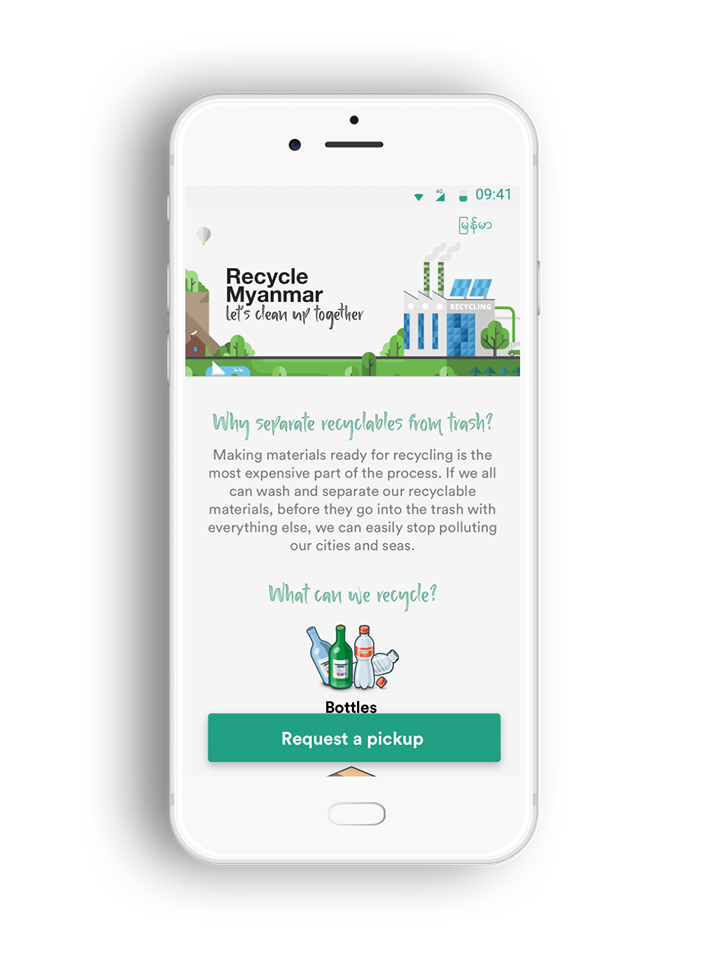
App 1 — Recycle Myanmar (B2C) Think Grab, but for trash. Households request a pickup. Collectors get routed to them. Simple, familiar interaction model applied to an unfamiliar behavior — making recycling feel like ordering a ride, not a civic duty.

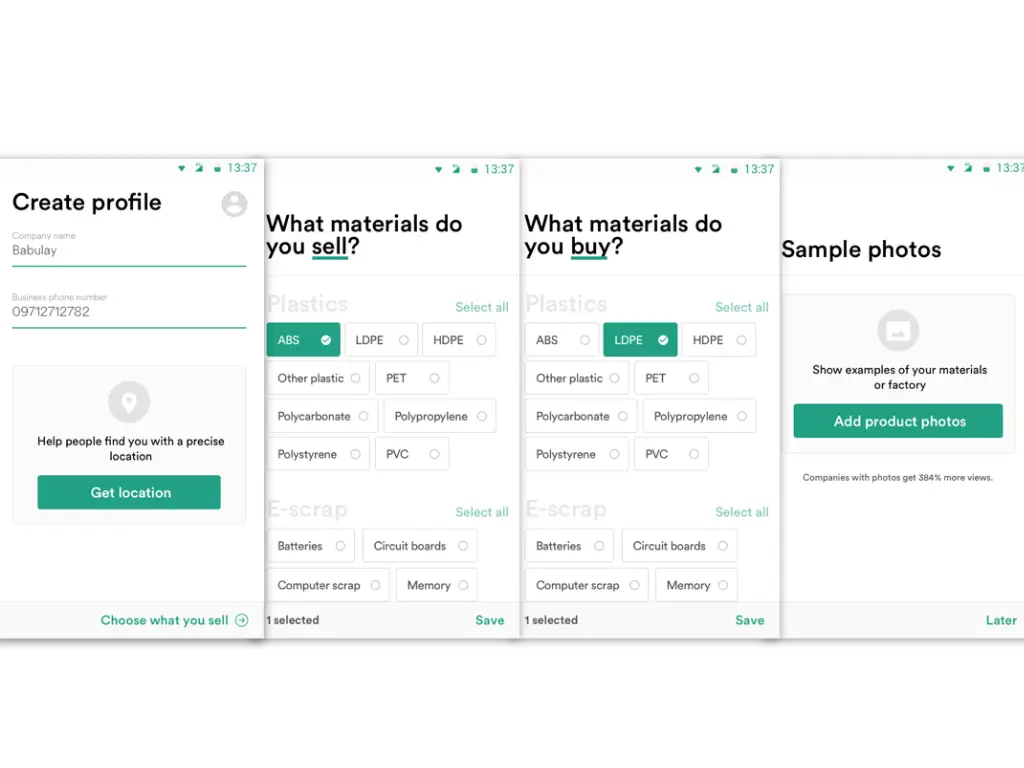
App 2 — Recycle Myanmar Business (B2B) A directory for the middle of the chain — recycling centers and processing plants. Filter by material type, location, availability. The “Yellow Pages” layer the industry was missing, letting small centers find large buyers and plants source materials on demand.

HMW remind the households the importance of 3 Rs?

HMW help the waste collectors better reach the households to collect more plastics?

HMW maximize time for the recycling centers to be able to buy back plastics quickly so that they can sell back the amount that the trade centers need?

HMW segregate the type of recyclable materials so that the recycling plants can easily find items they need fast and easy?

#1. Conceptualization (Grab Trash)

B2C: For contributor & Collector

#2. Conceptualization (Business Directory)

B2B: For material centers and recycling plants

Why It works

Both apps solve for the same root cause from different ends: disconnection. One bridges households to collectors. The other bridges collectors to buyers. Together, they create a loop that didn’t exist before.

The educational layer — social campaigns about the 3Rs — was baked into the recommendation too, because behavior change and infrastructure change have to move together.

The Outcome

The client came in asking for one thing. We delivered a more honest answer: a two-product ecosystem strategy grounded in field research, not assumptions.

Both apps shipped on Android. The B2C app is live on Google Play.

The bigger win? Reframing the problem before a single screen was designed.

UX Designer: NgeOo Mon — Research, synthesis, concept direction, product strategy

HIV/AIDS

Mobile Application: UX and UI
Tools: Sketch, Prototyping

Health App

Mobile Application: Product Design
Tools: Sketch, Miro, AI