Digitizing a loan system where every paper form was costing the business money it couldn't see.

Design Roles

Product Design Manager

NgeOo Mon

UI Designer

Yan Paing Hein

Tools Used

Platform

The Problem Hidden in the Paperwork

KEB Hana came in with a clear goal: go fully paperless. But the real cost of staying analog only became visible once we mapped the actual workflows.

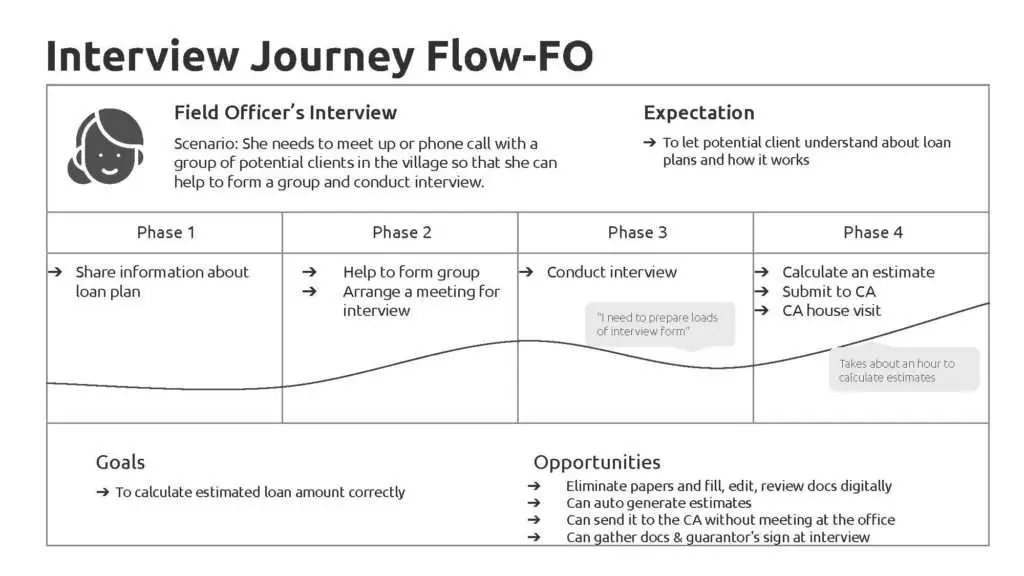
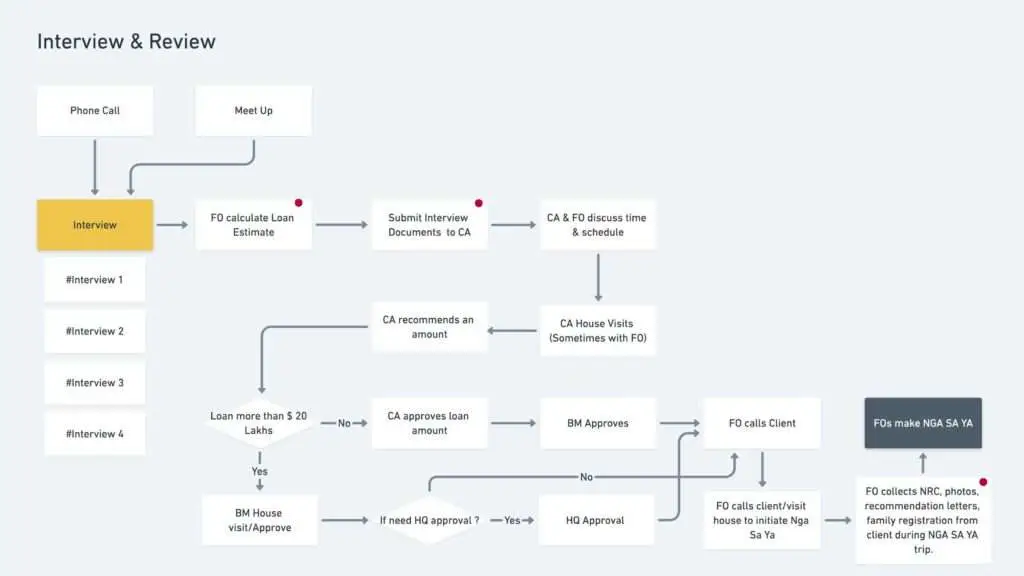
Loan officers were doing everything twice — collecting data in the field by hand, then re-entering it back at the office. Every calculation was manual. Every client visit was physical. Every error meant starting over. The system wasn’t just inefficient; it was actively preventing the business from growing. While officers were buried in double-work, new loan products sat unlaunched. Revenue was being left on the table — not by strategy, but by process.

Going Into the Field First

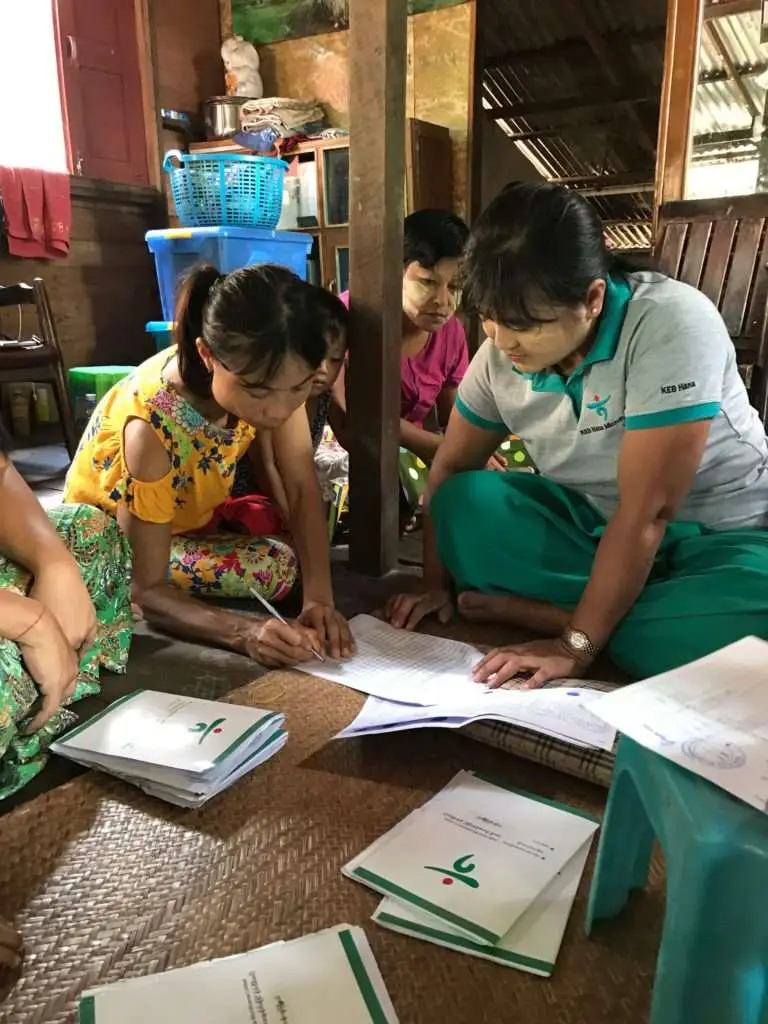
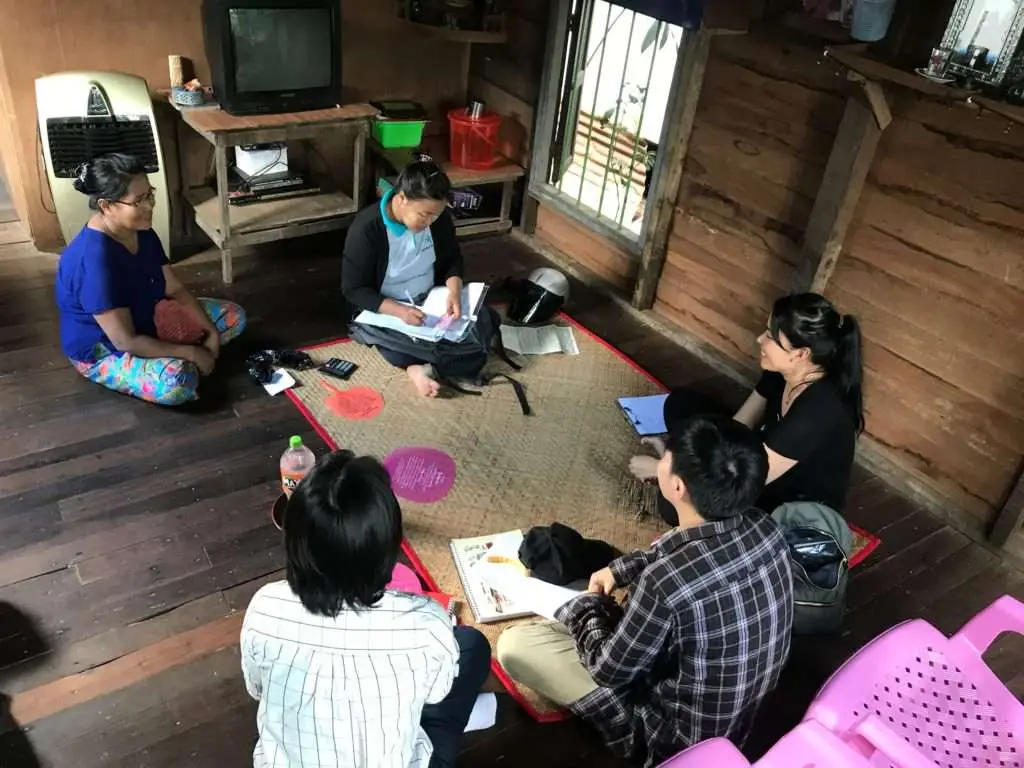
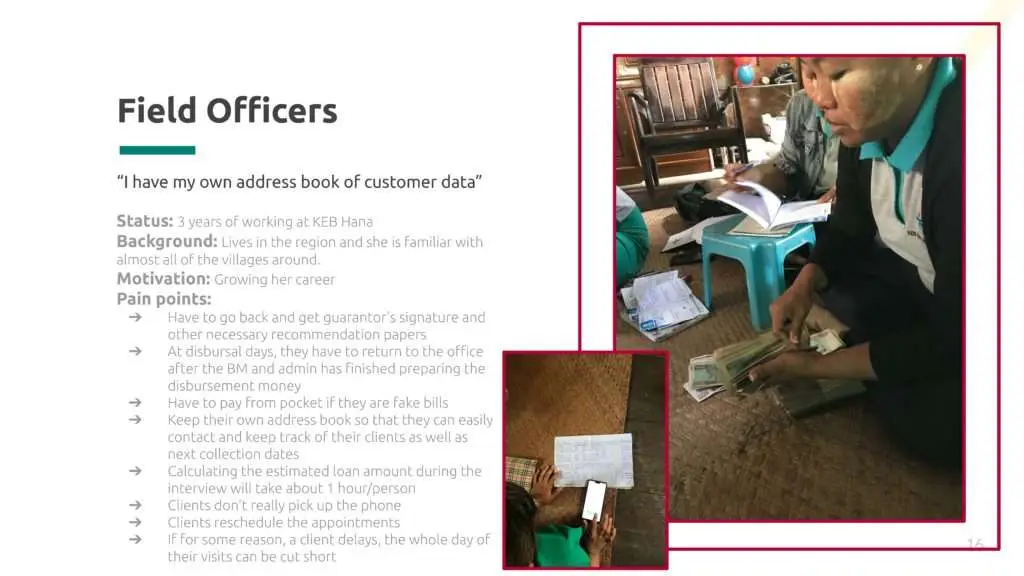
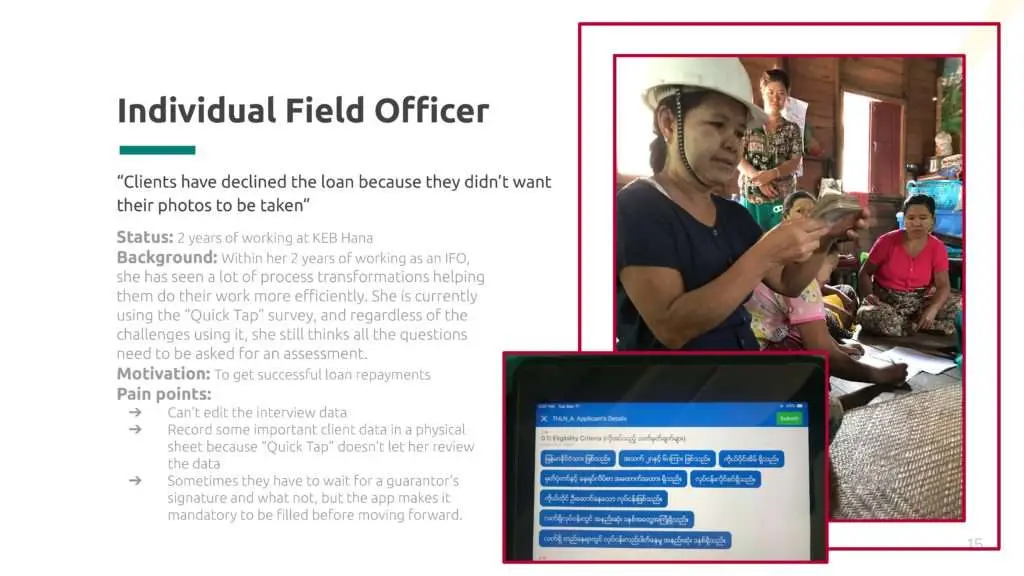
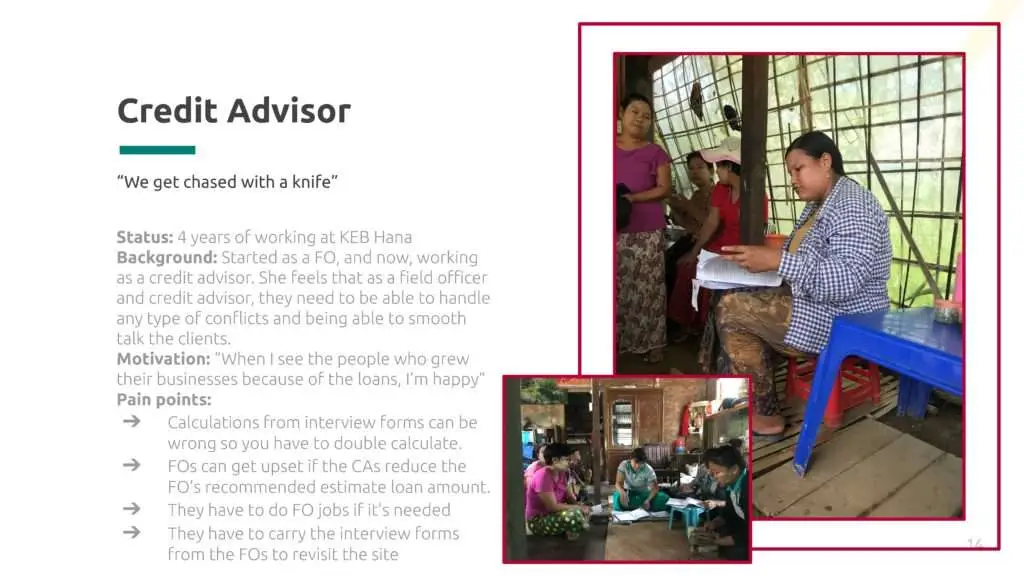
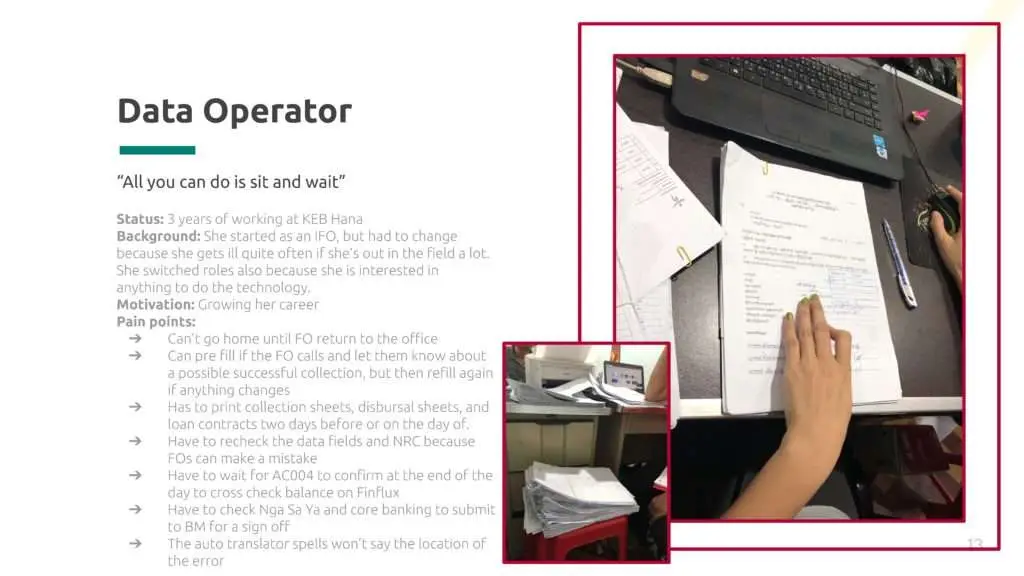
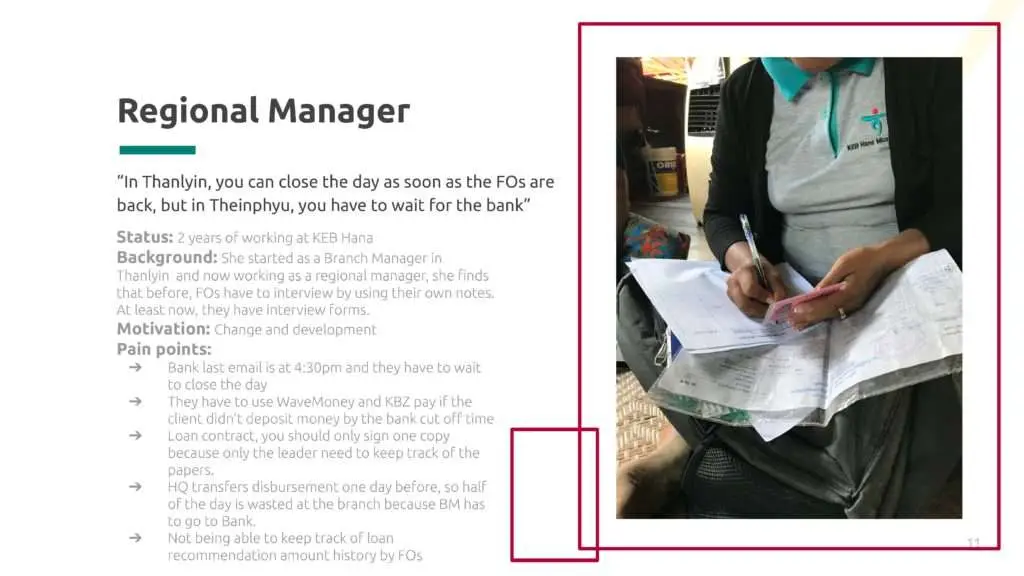
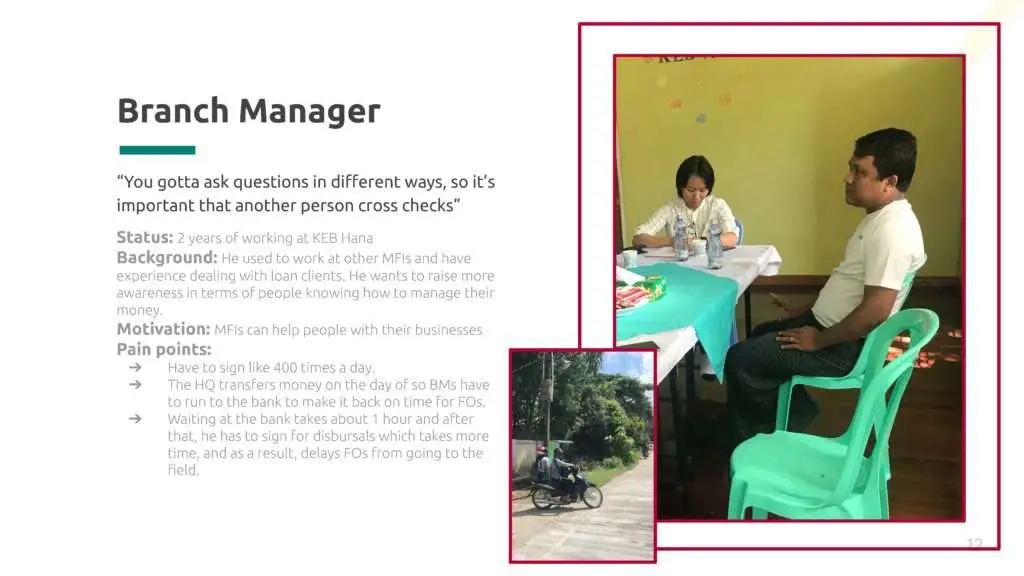
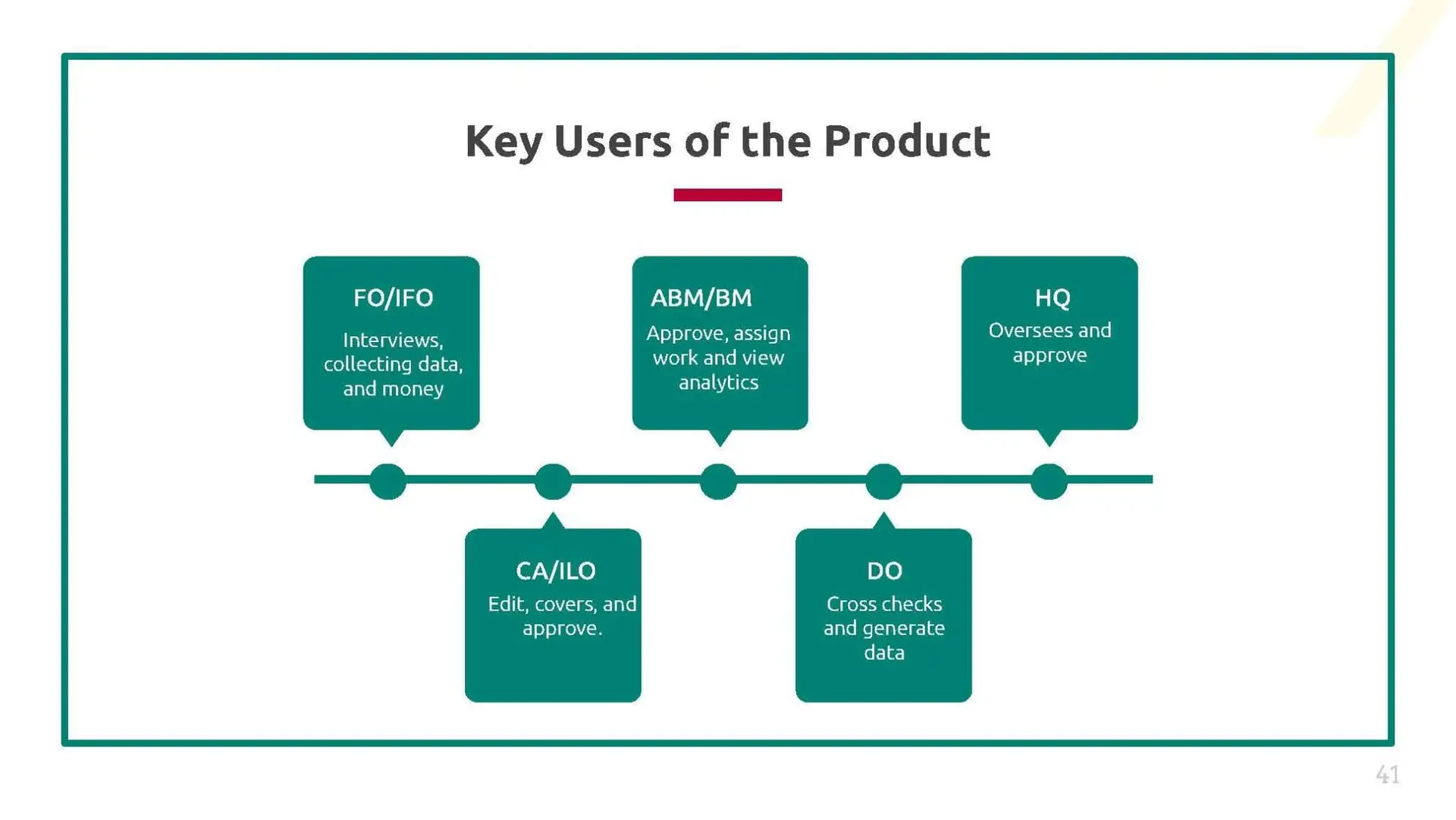
I led research using ethnographic methods — one-on-one interviews and contextual inquiry with the people living inside these broken workflows every day. Six distinct roles across the organization: regional managers, branch managers, credit advisors, data operators, and both individual and group loan field officers.

Each role had a different relationship with the paper problem. Officers felt it in their legs — multiple home visits per applicant just to gather and verify information. Managers felt it in their visibility — no real-time view of where applications stood in the pipeline. Data operators felt it in their hands — re-keying handwritten forms into systems, catching errors that never should have existed.

The deeper issue wasn’t paper. It was that the entire loan pipeline had been built around the assumption that humans would manually bridge every gap.

100% digital in their business operations, and to go paperless and to reduce human errors.

To drive a sustainable and scalable MFI by helping Myanmar people grow their own businesses.

Two Pain Points That Unlocked Everything

After synthesizing the research, two friction points kept rising to the top:

The calculation problem. Officers had to manually tally every client’s itemized income and expenses to calculate loan eligibility. It was time-consuming, error-prone, and happened on every single application — hundreds of times a month.

The visits problem. Multiple physical trips to each applicant’s home just to collect documents and follow up on status. In a country where travel between towns is genuinely difficult, this was a massive operational drag.

Both pointed to the same fix: get data collection out of the field and into the applicants’ hands.

User Research

The Solution: A Dual-Sided System

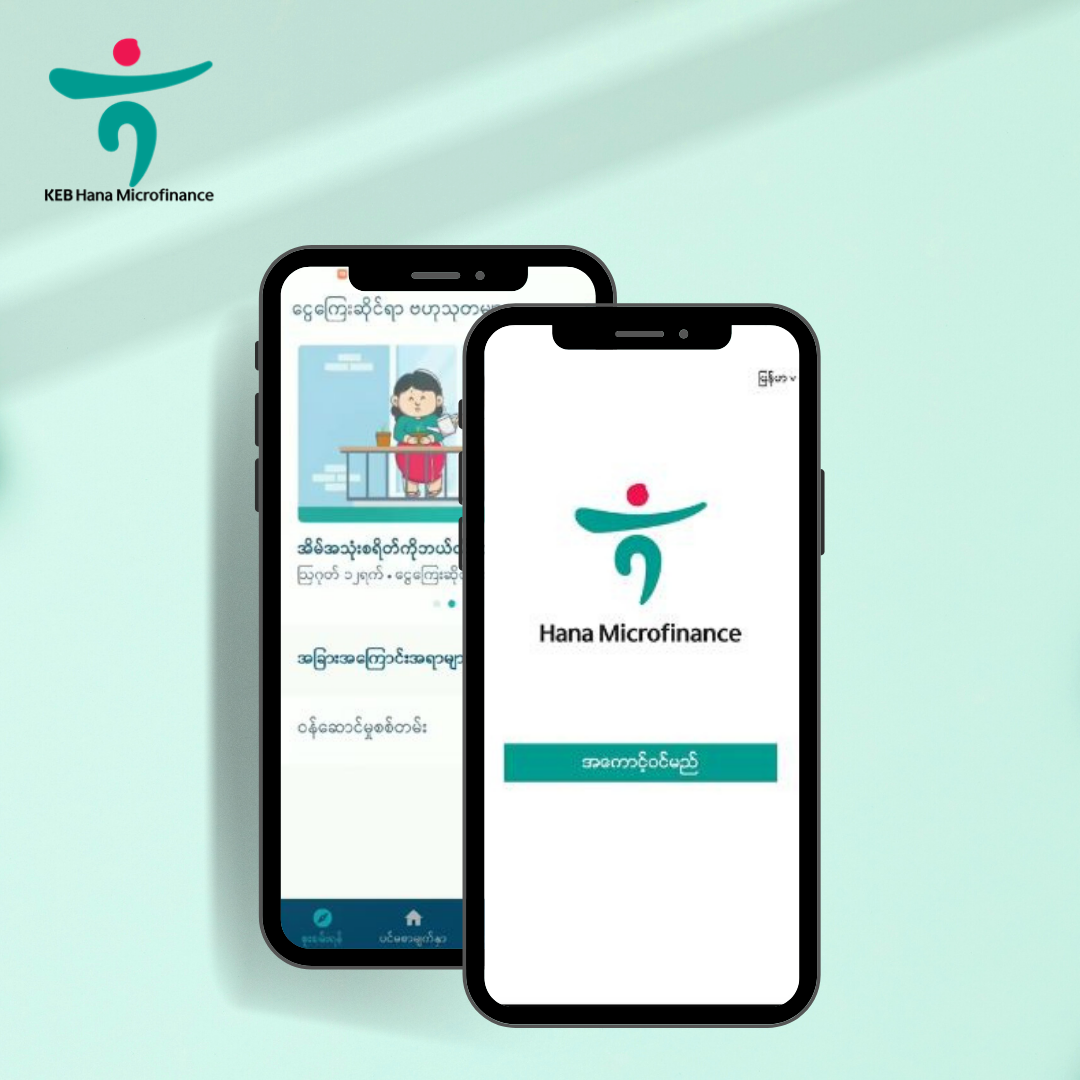
For Applicants — Android App

Loan applicants can now submit their requirements digitally, on their own time, from their own phone. No waiting for an officer to show up. No forms to fill out by hand. Approved loan amounts are visible directly in the app, removing the follow-up call from the equation entirely.

For Officers & Managers — Desktop Management System

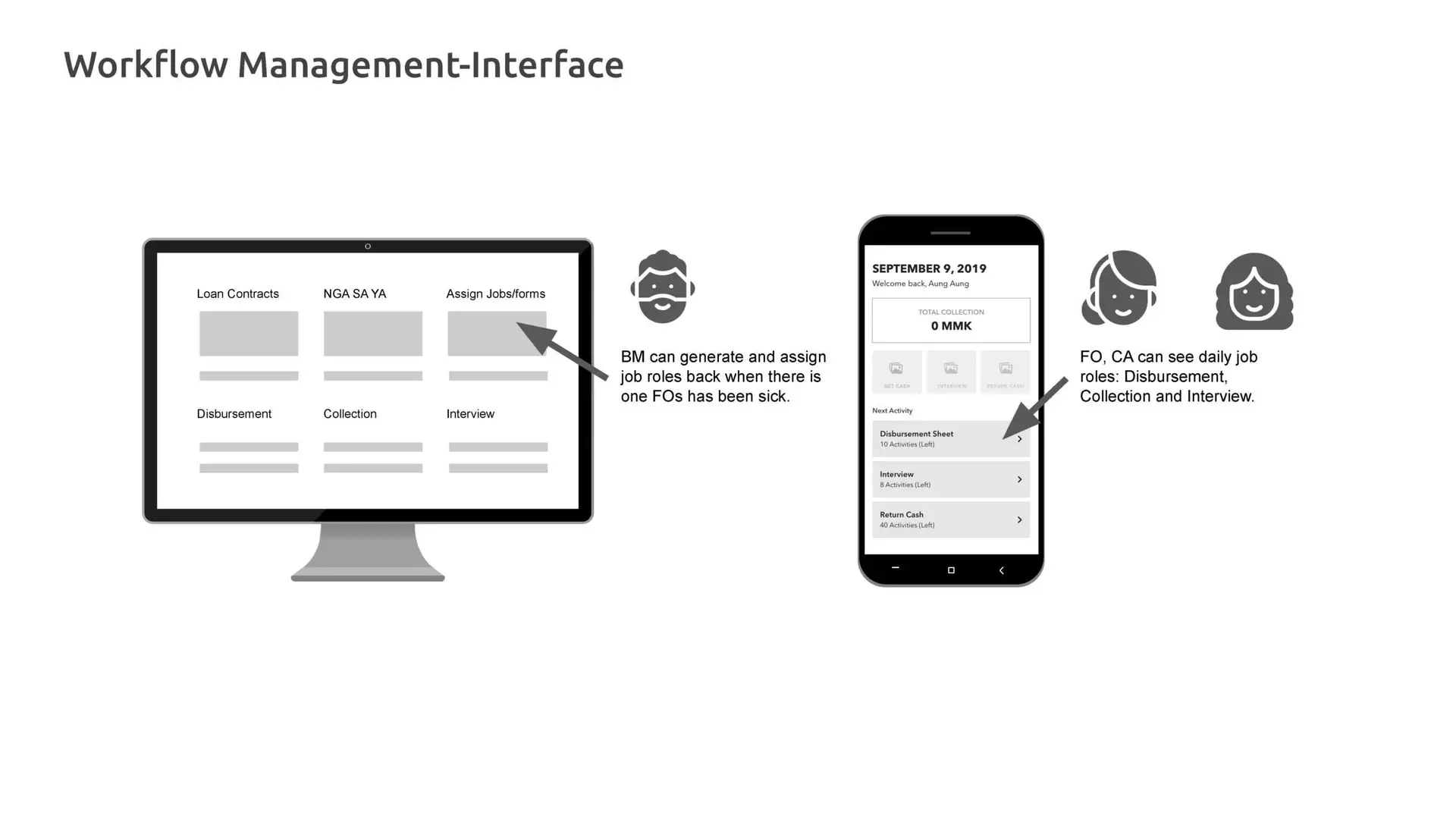
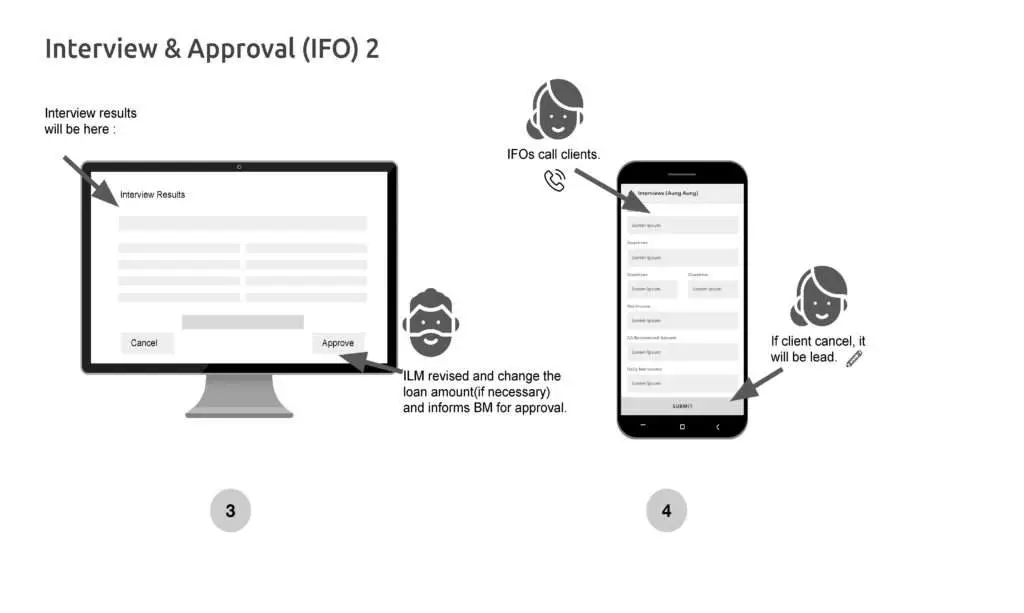
A centralized workflow tool where loan managers assign officers to applications, track pipeline status in real time, and move disbursements forward without the paper chase. The manual income calculation that used to eat officer time is automated — input the numbers, the system does the math.

The onboarding strategy was deliberate too: KEB Hana rolled out the mobile app regionally with a two-week officer-led launch, using their existing field relationships to drive adoption. Smart for a population where digital trust is still being built.

Conceptualization (Desktop and Android App for Loan Application)

For applicants & Officers' desktop loan management

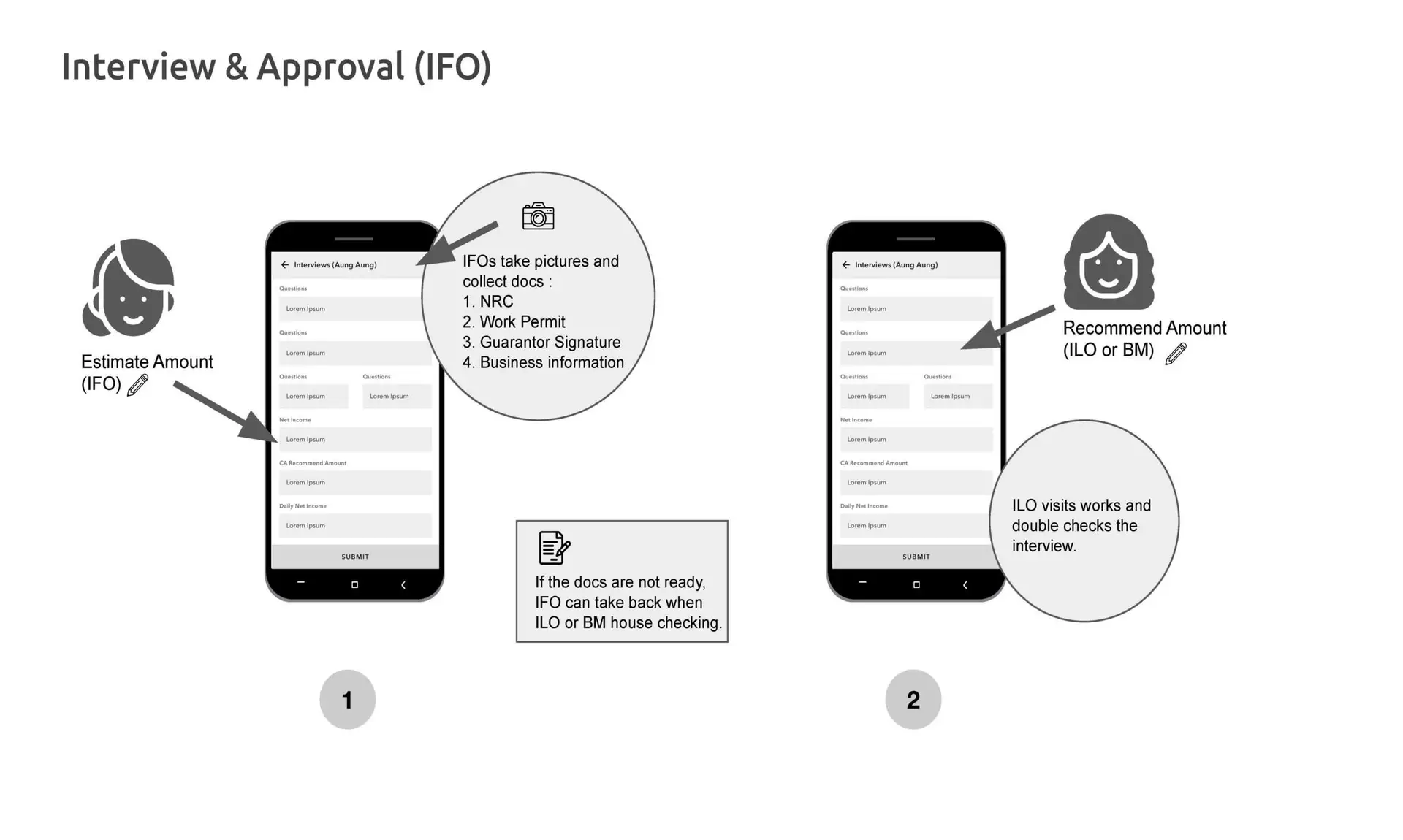
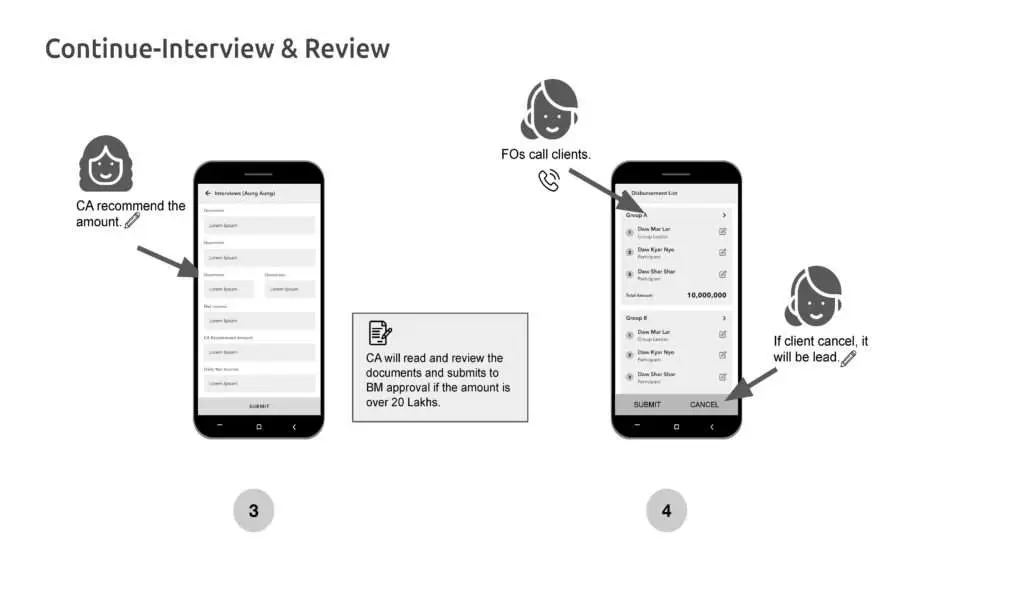
After two weeks of user research and synthesizing, we proposed wireframes of the total workflow of KEB Hana loan managers’ desktop loan management system to assign their officers to applications in order to approve loan disbursements.

Then,  KEB Hana loan officers will do two weeks of the loan mobile application launch regionally to all loan applicants.  Thus, the applicants will be able to submit requirements via the Android app, saving time and forms for the loan officers to manage, and in the end, applicants will be able to easily check their approved loan amounts promptly. 

What Changed for the Business

The double-work disappeared. Physical visits dropped. And with officers freed from administrative drag, the business gained something it hadn’t had before — capacity.

Capacity to launch new loan products. Capacity to serve more applicants without adding headcount. Capacity to build a customer base that stays loyal because the experience no longer feels like an obstacle course.

The app is live on Google Play. The desktop system is running. A microfinance operation that was entirely paper-based now has the infrastructure to scale.

Health App

Product Design: Research, UX, UI, Product Manager
Tools: Sketch, Miro, AI

Artists' Website

Website: IA, UX UI
Tools: Figma, Framer, Adobe

HIV/AIDS

UX UI: Research, UX Lead
Tools: Sketch, Prototyping, Ethnographic

Recycle Myanmar

User Experience: UX Research and Wireframing
Tools: Sketch, AI, Photoshop